Who it is for
Built for equine professionals: bodyworkers, trainers, instructors, and practitioners whose work depends on reading posture, movement, and change accurately. Your clients already trust your eye. This practicum sharpens the instrument.
How it works
Five weekly live calls, 75 minutes each, Thursdays at 6:00pm Pacific/9:00pm Eastern: October 22, October 29, November 5, November 12, and November 19. Between calls, you practice with the horses already in your day: short observation-and-sketch sessions folded into the work you are doing anyway. Every call is recorded and replays are shared with the cohort. Open to professionals anywhere.
What is included
The five live practicum calls, with replays for the cohort. The complete self-paced course, Unlocking Equine Journaling, yours from the day you enroll. A certificate of completion with contact hours. An illustrated welcome kit, designed to be printed at home. A measured before-and-after snapshot of your own observational skill, taken at the first and final calls; and one written review of your sketch pages from Olga, mid-cohort.
About the Practicum
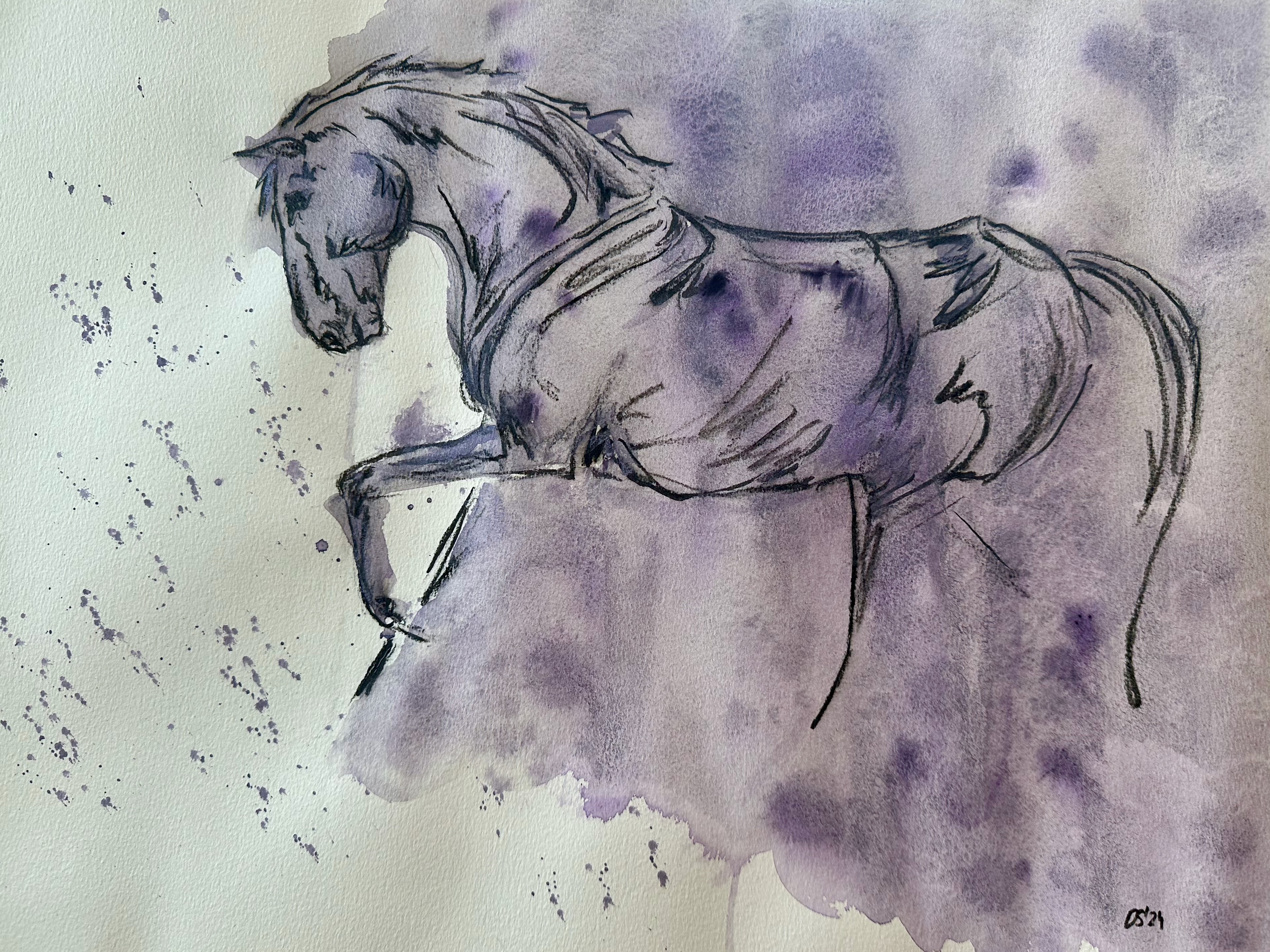
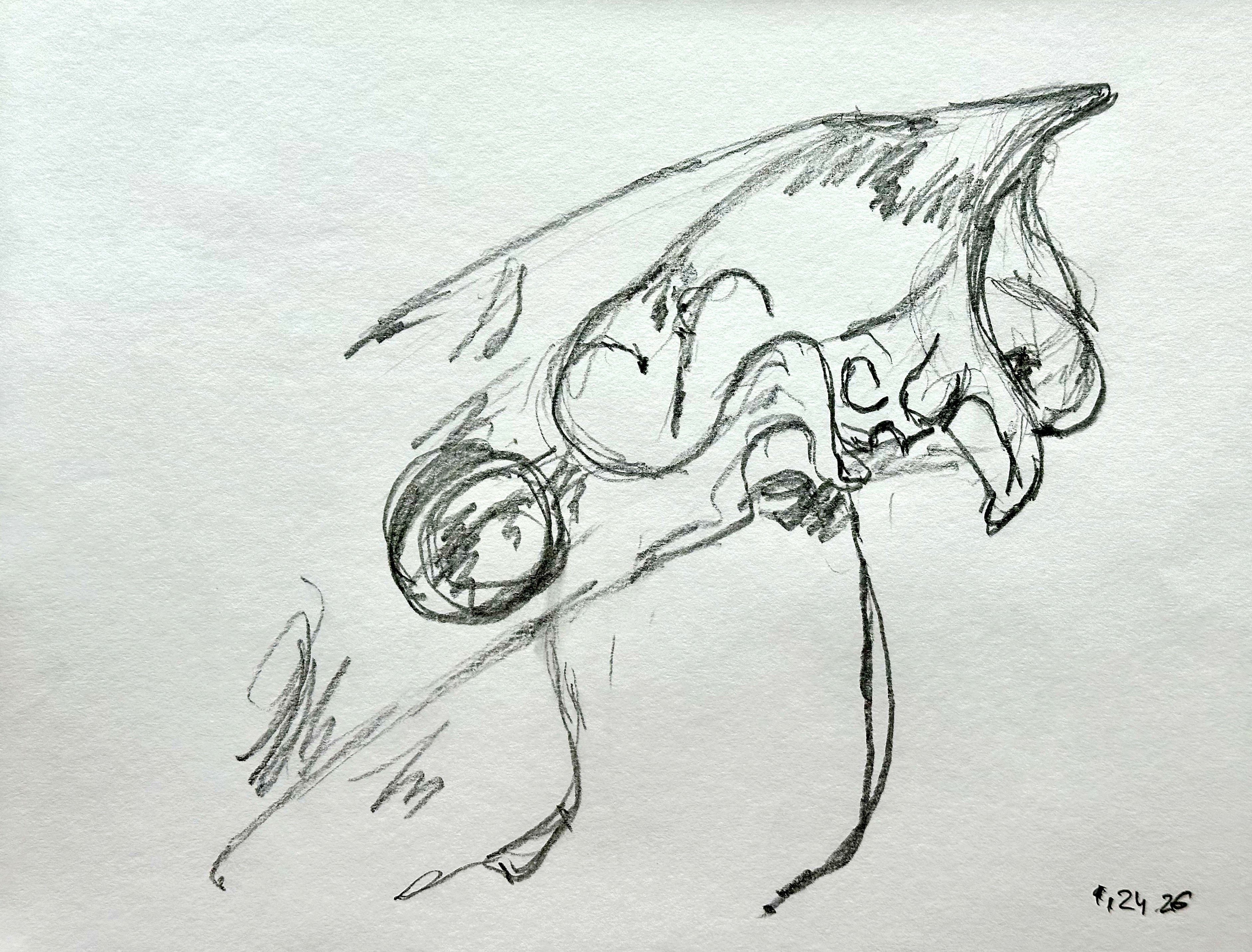
How many decisions about a horse rest on what you were told: the history, the reputation, the story that arrived with the trailer? Equine Journaling begins with setting the story aside and seeing what is in front of you. I'm Olga Surmacheva, an educator and illustrator, and I learned this the slow way: years of sketchbooks filled at the barn. Not art, just a few quick lines at a time, because drawing a horse forces a choice that writing never does. You can record what is actually there, or what you assume is there, and the pencil shows you which one you did. Ground Level Equine grew out of that discovery, and this practicum is how I teach it. For five weeks we train the professional eye together. Working with the horses already in your day, you practice catching the small physical facts that show a horse's current state: posture, weight, direction of attention, and the quiet changes that come before the loud ones. No drawing skill required; if you can write, you can do this, and the awkward first pages are the training working. Most professionals live in the gap between intuition and analysis: the feel that something is off on one side, and the report that has to hold up on the other. This is the bridge. What you sense becomes something you can point to, describe, and stand behind.